Hearing plays an important role in daily life. It allows people to communicate with family, work with others, and stay aware of the world around them. When hearing begins to decline, even simple conversations can become difficult. Many people who experience hearing problems start looking for reliable solutions that can help them return to a more normal listening experience. One of the well-known names in hearing technology today is the Phonak hearing aid, a device designed to support people who want clearer and more comfortable hearing.
Hearing aids have improved greatly over the years. Earlier devices were often bulky and had limited sound quality. Modern hearing aids are smaller, smarter, and more comfortable. They can adjust to different sound environments and connect with everyday devices like phones and televisions. Companies that focus on hearing technology continue to invest in research so that users can experience better sound and easier communication. Among these companies, Phonak has gained recognition for developing devices that aim to make hearing support more natural and practical.
Phonak hearing aids are built with the idea that people should be able to hear clearly without feeling limited by their devices. Through continued development and feedback from hearing care professionals, the brand has created products that focus on sound clarity, comfort, and convenience for everyday use.

The Development of Modern Hearing Technology
The hearing aid industry has seen many changes over the past few decades. As technology improved, hearing devices moved from simple sound amplifiers to advanced digital systems that can process sound in real time. This change has helped people with hearing loss manage different listening environments more easily.
Phonak has played a role in this development by introducing new features and improving how hearing aids function. The goal has always been to make hearing aids more helpful while keeping them comfortable and easy to use. Over time, improvements in digital processing have made it possible for devices to recognise different sound environments and adjust automatically.
These improvements mean that users do not need to constantly change settings when moving from one place to another. Whether someone is speaking with friends at home or walking through a busy street, the hearing aid can adapt to provide clearer sound.
Technology has also helped reduce the size of hearing aids while increasing their performance. This allows devices such as the Phonak hearing aid to remain discreet while still delivering strong and reliable sound support.
Clear Sound for Daily Conversations
One of the most important factors when choosing a hearing aid is sound quality. People with hearing loss often struggle to follow conversations, especially when there is background noise. Modern hearing aids work to improve speech clarity so that users can better understand what others are saying.
Phonak devices use digital sound processing systems that analyse the listening environment. The hearing aid then adjusts the sound levels to make speech easier to hear while reducing distracting noise. This process happens automatically and quickly, which helps create a smoother listening experience.
For many users, the ability to hear conversations clearly can greatly improve daily life. Social gatherings, work meetings, and family discussions become easier to follow. Instead of constantly asking people to repeat themselves, users can participate more confidently in conversations.
Better sound quality also reduces listening fatigue. When hearing is strained, people often feel tired after long conversations. A well-designed hearing aid helps reduce this strain by providing balanced sound that is easier to understand.
Connectivity with Modern Devices
Technology has become a central part of everyday life. People rely on smartphones, computers, and entertainment systems for communication and information. Because of this, hearing aids are now designed to connect with these devices.
Many models of the Phonak hearing aid include wireless connectivity. This allows users to link their hearing aids directly with smartphones and other digital devices. When connected, phone calls can be heard through the hearing aids themselves, making conversations clearer and more comfortable.
Streaming audio from televisions or music devices is also possible with many modern hearing aids. This allows users to enjoy entertainment without needing extra accessories or special equipment. The sound is delivered directly to the hearing aid, which can improve clarity and volume.
Mobile applications have also become a useful tool for hearing aid users. These apps allow people to adjust volume levels and settings from their phones. Some apps also allow hearing care professionals to monitor performance and suggest adjustments when needed.
This level of connectivity makes hearing aids more flexible and easier to manage in daily life.
Comfort and Practical Design
Comfort is another important factor for hearing aid users. A device that does not fit properly can become uncomfortable and discourage regular use. Because hearing aids are often worn throughout the day, they must be designed with long-term comfort in mind.
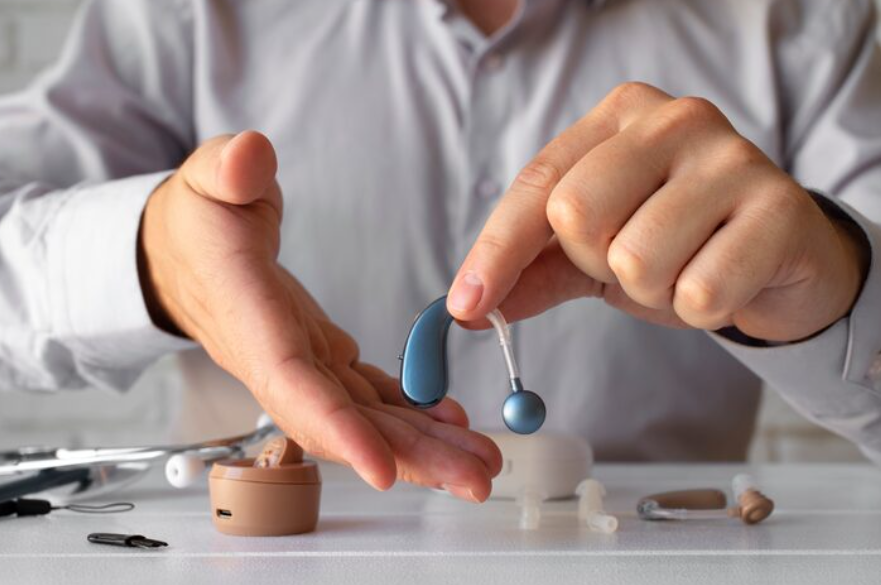
Phonak offers several hearing aid styles to meet different needs. Some models sit behind the ear, while others fit more discreetly inside the ear canal. Each design aims to balance comfort, performance, and ease of use.
A good fit helps the hearing aid remain stable while also improving sound delivery. When the device fits correctly, sound can travel more effectively into the ear. This leads to a clearer and more natural listening experience.
Modern hearing aids are also built with lightweight materials so they can be worn for extended periods without causing irritation. These improvements allow users to focus on their activities instead of being distracted by the device.
Rechargeable Technology and Convenience
Another improvement in hearing aid technology is the use of rechargeable batteries. In the past, many hearing aids relied on small disposable batteries that needed frequent replacement. This could be inconvenient for users who needed to carry spare batteries with them.
Rechargeable hearing aids simplify this process. Users can place their hearing aids in a charging station at night and have them ready for the next day. This approach reduces the need to handle small batteries and makes daily maintenance easier.
Rechargeable models also support environmental goals by reducing battery waste. As more companies focus on sustainability, rechargeable devices are becoming a common choice for hearing aid users.
The Phonak hearing aid lineup includes rechargeable options that provide reliable performance while offering greater convenience for everyday use.
Professional Support and Hearing Care
Hearing aids work best when they are properly fitted and adjusted by professionals. Hearing care specialists play an important role in helping users find the right device and settings for their needs.
Phonak works closely with hearing professionals who guide patients through the process of selecting and fitting a hearing aid. This usually begins with a hearing test to understand the level and type of hearing loss. After the results are reviewed, the hearing specialist can recommend a device that fits the person’s lifestyle.
Regular follow-up appointments help ensure that the hearing aid continues to perform well. Adjustments may be made as the user becomes more comfortable with the device or if hearing needs change over time.
Education and support also help users learn how to maintain their hearing aids. Cleaning, charging, and proper storage all play a role in keeping the device working effectively.
This support system helps ensure that users get the most benefit from their hearing aids.
Improving Daily Life Through Better Hearing
Hearing loss can affect many parts of life. People may begin to avoid social situations because conversations become difficult. Over time, this can lead to feelings of isolation or frustration.
Hearing aids help reduce these challenges by improving communication. When people can hear more clearly, they can participate more actively in conversations and social activities. This often leads to better relationships and greater confidence in daily interactions.
Clear hearing also helps people stay connected at work and in public spaces. Whether attending meetings, speaking with customers, or listening to announcements, improved hearing makes these situations easier to manage.
Devices like the Phonak hearing aid are designed to support these everyday moments, allowing users to stay engaged with the world around them.
The Future of Hearing Aid Technology
Hearing technology continues to develop as new ideas and research shape the industry. Future hearing aids may include more advanced artificial intelligence that can learn user preferences and adjust settings automatically.
Improved connectivity with other health devices is another area of development. Hearing aids may eventually work alongside fitness trackers or health monitoring systems, creating a more connected approach to personal health.
Battery technology is also expected to improve, allowing hearing aids to operate longer on a single charge. Smaller designs and stronger performance will continue to make devices more comfortable and effective.
Phonak continues to invest in research and development to improve hearing support. As technology advances, hearing aids will likely become even more helpful in supporting clear communication and daily interaction.
A Continuing Commitment to Better Hearing
Hearing aids are more than simple electronic devices. They help people reconnect with conversations, relationships, and everyday experiences that might otherwise become difficult. Clear hearing can improve confidence and allow people to stay involved in the activities they enjoy.
The Phonak hearing aid represents one example of how technology can support better hearing in a practical and reliable way. By focusing on sound clarity, comfort, connectivity, and user support, hearing aid technology continues to move forward.
As awareness of hearing health grows, more people are seeking solutions that help them maintain strong communication and independence. With ongoing improvements in design and technology, hearing aids will continue to play an important role in helping people stay connected to the sounds of daily life.