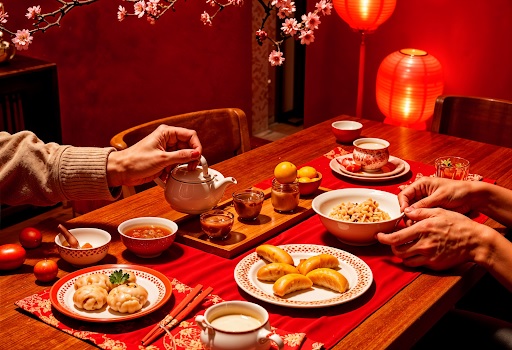
Singapore has no shortage of places to eat, but when it comes to Cantonese cuisine, people are usually looking for more than just a nice menu. They want food that feels balanced, comforting, refined and true to the style that Cantonese cooking is known for.
That is exactly why finding a good Cantonese restaurant in Singapore can feel a little more personal than choosing where to go for just any meal. Some people are after classic dim sum done properly. Xin Cuisine Cantonese restaurant is one such place that offers a refined take on traditional Cantonese dishes while maintaining authentic flavours. Others want roast meats with crisp skin and tender texture. Some are looking for a place to celebrate with family, while others simply want familiar dishes that taste right.
A genuinely good Cantonese restaurant is not only about price or presentation. It comes down to how well the restaurant understands the core of Cantonese cooking and whether it can deliver that consistently. If you know what to look for, it becomes much easier to separate places that are simply popular from those that are actually worth returning to.
Why Cantonese Cuisine Remains So Popular in Singapore
Cantonese food has long had a strong place in Singapore’s dining scene, and it is not difficult to see why. Compared to some other Chinese regional cuisines, Cantonese cooking is often more subtle and ingredient-led. It tends to focus on freshness, natural flavour, light seasoning and careful technique rather than overpowering spice or heavy sauces.
That makes it appealing to a wide range of diners. It feels suitable for everything from casual lunches and yum cha sessions to business meals and family celebrations.
Another reason Cantonese cuisine remains so well-loved is that it offers a good balance of comfort and refinement. A simple bowl of congee, a plate of char siew or a basket of har gow can feel familiar and satisfying, but when prepared well, those same dishes can also reflect real craftsmanship.
That balance is what keeps people coming back.
Freshness Should Always Be a Priority
One of the clearest signs of a good Cantonese restaurant is how it handles ingredients.
Cantonese cooking relies heavily on freshness because the flavours are often lighter and more exposed. There is less room to hide behind strong seasoning. If the ingredients are not good, the food usually shows it straight away.
That is especially true for seafood, vegetables, soups, and steamed dishes. Fish should taste clean and natural. Greens should feel fresh and vibrant, not overcooked or oily. Soups should taste deep and nourishing rather than salty or one-dimensional.
This is one of the biggest differences between an average Cantonese restaurant and a genuinely good one. The better restaurants understand that simplicity only works when the ingredients are handled properly.
If a dish looks elegant but tastes flat or tired, that is usually a sign that the kitchen is relying too much on presentation and not enough on actual quality.
The Best Cantonese Restaurants Get the Basics Right
A lot of diners focus on signature dishes, but one of the smartest ways to judge a Cantonese restaurant is by looking at how it handles the basics.
That means dishes like fried rice, steamed dumplings, roast duck, wonton noodles, congee, stir-fried vegetables and soup.
These are the dishes that often reveal the kitchen’s standard more honestly than the flashy items on the menu.
For example, a good plate of fried rice should not feel greasy or clumped together. It should be fragrant, well-seasoned, and cooked with the right texture. Dumplings should have delicate skin and balanced filling. Roast meats should have proper texture and flavour, not just visual appeal.
When a restaurant gets the simple things right, it usually means the kitchen has discipline and consistency. And in Cantonese cooking, that matters a lot.
Dim Sum Quality Tells You a Lot
If the restaurant serves dim sum, that alone can tell you a great deal about the standard of the place.
Dim sum may look small and straightforward, but it takes real skill to do well. Texture, temperature, timing and balance all matter. A good basket of siew mai or har gow should feel carefully made, not rushed or mass-produced.
One of the easiest mistakes diners make is assuming that a crowded dim sum restaurant automatically means better quality. Sometimes it does. Sometimes it just means the place is well-known or conveniently located.
What matters more is whether the dim sum tastes fresh, feels properly prepared, and arrives in good condition. Steamed items should be delicate and moist, not dried out. Fried items should feel crisp without being oily. Fillings should taste clean and well-balanced.
When dim sum is done properly, it reflects a kitchen that respects detail.
A Strong Roast Meat Selection Is Often a Good Sign
Roast meats are one of the most recognizable parts of Cantonese dining and they are often a very good indicator of kitchen quality.
Char siew, roast duck, and crispy pork belly may seem common, but they are not easy to execute consistently. The meat should be flavourful and tender, the skin or glaze should be properly developed, and the balance between sweetness, savouriness, and texture should feel intentional.
A weak roast section often tells you that the restaurant is trying to offer everything without mastering the essentials.
On the other hand, a restaurant that serves well-executed roast meats usually takes its craft seriously. That often carries through to the rest of the menu too.
If you are trying a Cantonese restaurant for the first time, roast meats are often a reliable place to start.
Service and Dining Experience Matter Too
Good Cantonese dining is not only about what arrives on the plate. The overall experience matters too.
A strong restaurant usually has a rhythm to it. Food arrives at a sensible pace. Staff understand the menu. Tea is refilled without having to chase someone down. Dishes are served in a way that suits sharing and conversation.
That matters because Cantonese meals are often social by nature. People do not just go for the food. They go for the experience of eating together.
This is especially important if you are choosing a Cantonese restaurant in Singapore for family gatherings, business lunches, festive meals or special occasions. You want a place that can handle both the food and the atmosphere properly.
A restaurant can serve decent dishes, but if the overall experience feels rushed, chaotic, or inattentive, it often affects how memorable the meal actually is.
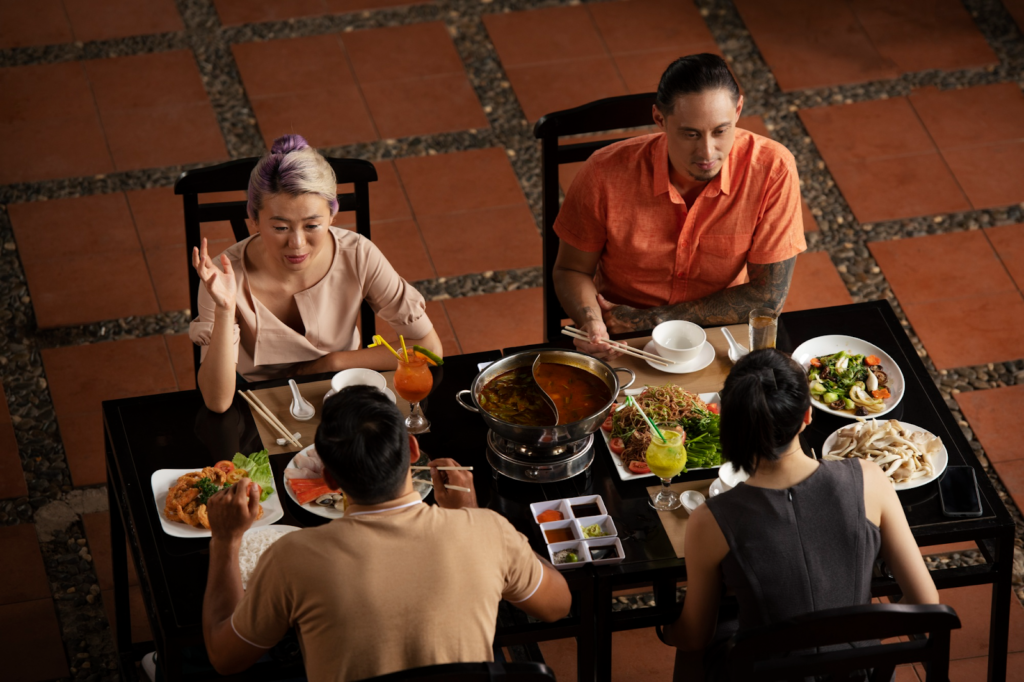
Authenticity Does Not Always Mean Old-Fashioned
A lot of people assume that an authentic Cantonese restaurant has to feel traditional in every way, but that is not always true.
Some of the better Cantonese restaurants in Singapore keep the core of the cuisine intact while presenting it in a more modern or refined way. That can still be a good thing, as long as the flavours, techniques, and ingredient quality remain true to the style.
Authenticity is not really about old décor or how many Chinese characters are on the wall. It is more about whether the food reflects the discipline and values of Cantonese cooking.
That means clean flavours, good balance, proper technique, and respect for ingredients.
A restaurant can be modern and still be deeply rooted in tradition. In many cases, that is exactly what makes it appealing to today’s diners.
Menu Variety Should Feel Thoughtful, Not Excessive
A good Cantonese restaurant usually offers enough variety to suit different diners, but the menu should still feel focused.
When a restaurant tries to do too much, quality can become inconsistent. A menu with every possible Chinese dish is not always a good sign.
A more thoughtful menu often feels stronger. It shows that the kitchen knows what it does well and is not just trying to cover every category for the sake of it.
That does not mean the menu has to be small. It just means it should feel intentional.
The best restaurants often have a combination of classics, house specialities, seasonal dishes, and familiar favourites. That gives diners enough choice without making the menu feel unfocused or generic.


