Subterranean termites, notorious for their ability to cause extensive damage to wooden structures, pose a significant threat to property integrity. As these insects often thrive undetected in underground colonies, implementing an effective subterranean termites treatment strategy is crucial. Without early intervention, termites can compromise the structural stability of buildings, resulting in costly repairs and potential safety hazards. Understanding the biology, behaviour and treatment options for these pests is essential for effective management.
Biology and Behaviour of Subterranean Termites
Subterranean termites are a type of social insect that live in colonies consisting of workers, soldiers, and reproductive individuals. These colonies can expand rapidly, often numbering in the hundreds of thousands. The worker termites, which are responsible for feeding the colony, are particularly destructive as they consume wood to obtain cellulose. They typically construct mud tubes to travel between their underground nests and food sources, which may include wooden structures within buildings.
Termites thrive in humid environments and prefer warm temperatures, although they can adapt to cooler climates by building deeper nests. Their ability to remain hidden below the surface or behind walls makes them difficult to detect until significant damage occurs.
Identifying Signs of Infestation
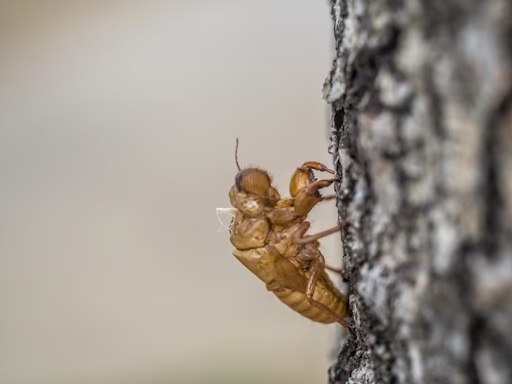
Detecting a subterranean termite infestation can save property owners from substantial structural damage. Common indicators include the presence of mud tubes, discarded wings near windowsills or doorways, and hollow-sounding wood. Additionally, a rise in its swarming activity, particularly during warm months, may suggest the establishment of new colonies. Regular inspections by trained professionals can help in early detection, thereby reducing the potential for damage.
Treatment Methods for Subterranean Termites
Treating subterranean termites typically involves a combination of chemical and non-chemical methods. These approaches are aimed at destroying existing colonies and preventing future infestations.
Chemical Treatments
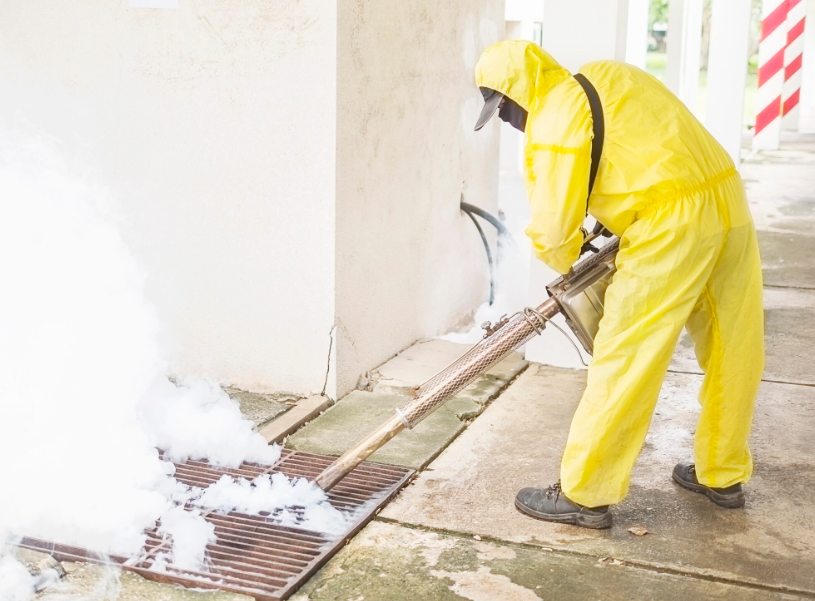
Chemical treatments, such as liquid termiticides and termite baits, are widely recognised for their effectiveness:
– Liquid Termiticides: These are applied to soil around and beneath a building’s foundation, creating a chemical barrier that deters termites from entering. Certain formulations may also kill termites on contact or through ingestion and spreading within the colony. Treatment specificity varies based on the product, soil type, and environmental conditions.
– Termite Baits: Consisting of cellulose treated with slow-acting insecticides, these baits attract termites to feed on them. The slow action ensures that termites return to the colony to share the poisoned bait, leading to its eventual collapse. Placement of baits requires careful site assessment for optimal effectiveness.
Non-Chemical Treatments
Non-chemical treatments primarily focus on prevention and physical barriers. Such measures may include:
– Physical Barriers: These involve the installation of materials that termites cannot penetrate or use as food, such as sand or steel mesh, around the foundation of the building. These barriers block access to the structure, helping to prevent infestations.
– Biological Control: Although less common, biological control methods employ natural predators or pathogens to control termite populations. The use of nematodes, fungi, or bacteria can target specific biological vulnerabilities within termite colonies.
Integrated Pest Management (IPM) Approach
An Integrated Pest Management (IPM) approach combines various treatment methods, monitoring, and preventive measures. This holistic strategy aims to minimise environmental impact while effectively controlling termite populations. IPM typically involves periodic inspections of the property, identifying potential risk areas, and implementing treatment plans tailored to the specific needs and environmental conditions of the site.
Regular monitoring and maintenance of existing treatments, alongside educational efforts for property owners and tenants, form the backbone of this sustainable pest control approach.
Factors Influencing Treatment Selection
Selecting an appropriate treatment strategy depends on several factors, including the severity of the infestation, the construction and age of the building, soil types, and environmental considerations. Expert assessment by trained pest control professionals is crucial, as it ensures that treatments are effective and compliant with regulatory standards.
Moreover, considerations regarding environmental impact and safety of the occupants often play pivotal roles in decision-making, guiding choices toward eco-friendly and non-toxic options whenever feasible.
Preventive Measures Against Termite Infestation
Implementing preventive measures can substantially reduce the risk of future termite infestations. Some practical steps include:
– Addressing Moisture Issues: Repairing leaky pipes, ensuring proper drainage, and maintaining consistent ventilation in crawl spaces can help reduce moisture levels that attract termites.
– Regular Property Maintenance: Keeping landscaping clear of wood debris and ensuring that wood in contact with the soil is treated or sealed can deter termites.
– Professional Inspections: Routine inspections by pest control specialists can help identify and mitigate potential concerns before they develop into significant problems.
Conclusion and Future Perspectives
The battle against subterranean termites is complex and multifaceted. As technology advances, so do the methods and strategies for managing these destructive pests. Continued research into termite behaviour and improvements in treatment technologies will enhance our ability to protect structures while minimising environmental impact. Maintaining a proactive approach through regular monitoring and adaptation of pest management strategies will be crucial for safeguarding our buildings against future threats from these resilient insects.