
In the ever-evolving landscape of security, a door access control system plays a critical role, advancing beyond traditional lock and key mechanisms. Security breaches can threaten assets, personal safety and data, underscoring the need for sophisticated, reliable access systems. This article will delve into the workings, benefits, and types of door access control systems, exploring how they contribute vital enhancements to security infrastructures.
Understanding Door Access Control Systems
At its core, a door access control system is designed to regulate who can enter or exit specific doors or facilities, ensuring that only authorised individuals gain access to restricted areas. Such systems utilise a combination of software and hardware components to authenticate identities, manage entry permissions, and provide audit trails. Unlike conventional security methods, these systems offer granular control and customisable access levels and mitigate the risks associated with lost or stolen keys.
Components and Functionality
Key Components
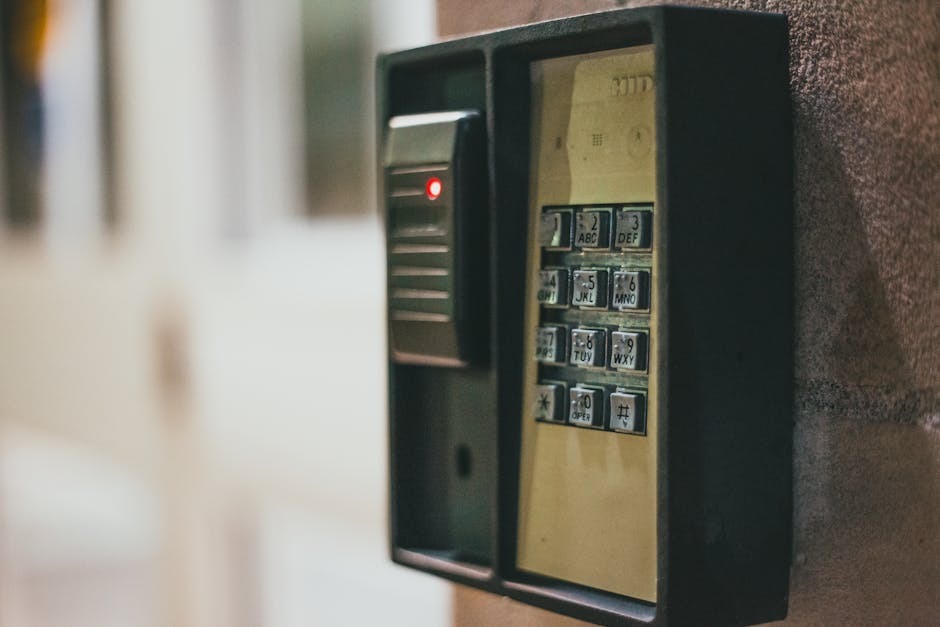
A standard door access control system comprises several key components, including controllers, keypads or card readers, credentials, and management software. Controllers serve as the central unit, processing input from readers and determining access privileges based on preset rules. Readers, on the other hand, can include card swipes, biometric scanners, or keypad entry devices, each validating credentials presented by users.
Credentials and Verification
Credentials are an integral part of these systems, categorised chiefly as physical (like access cards and fobs), biometric (fingerprints and facial recognition), and digital (mobile apps or key codes). Biometric technologies have seen increased adoption due to their unique, non-transferable nature, providing robust security against identity theft or unauthorised access.
Types of Access Control Systems
Discretionary Access Control (DAC)
In Discretionary Access Control systems, the owner determines access privileges, allowing a high degree of flexibility. This system is suitable for environments where adaptable access policies are favourable, though it requires meticulous oversight to prevent vulnerabilities.
Mandatory Access Control (MAC)
Mandatory Access Control systems operate on a more rigid set of rules, with access rights dictated by a central authority. Such systems are common in high-security environments where classification levels are mandatory, ensuring that users cannot alter access permissions themselves.
Role-Based Access Control (RBAC)
Role-Based Access Control grants permissions based on user roles within an organisation. This method simplifies access management by categorising users and ensuring consistent application of security policies across similar job functions.
Rule-Based Access Control
A Rule-Based Access Control system applies conditional logic to access permissions, dynamically altering access rights based on pre-defined rules such as time, location, or other metrics. This approach is especially useful for environments needing situational flexibility without compromising security standards.
Benefits of Modern Access Control
Enhanced Security and Monitoring
Modern access control systems significantly enhance security through real-time monitoring and audit trails, allowing security personnel to track entries and exits and promptly identify unauthorised activities. These systems can be integrated with other security solutions, like CCTV cameras, to fortify surveillance capabilities.
Flexibility and Scalability
As organisations grow, so do their security needs. Contemporary access solutions are scalable, enabling seamless expansion or modification to accommodate additional entry points, users, or new security protocols, ensuring sustained effectiveness over time.
Cost-Effectiveness
While initial investments in door access control systems may appear substantial, the long-term cost savings are significant. Reducing reliance on physical keys decreases the likelihood of costly lock replacements and enhances operational efficiency through reduced administrative overhead.
User Convenience
These systems streamline the user experience, eliminating the need for cumbersome key management and allowing quick, easy access through card swipes, biometric verification, or mobile credentials. This convenience does not compromise on security, maintaining stringent access protocols.
Challenges in Implementation
Technical and Infrastructure Barriers
Successful deployment of access control systems can face several challenges, including technical compatibility with existing infrastructure and the need for ongoing system maintenance. It requires thoughtful planning and expert implementation to ensure smooth integration and active system performance.
Privacy and Data Considerations
The use of personal data, particularly in biometric systems, raises potential privacy concerns. Organisations must adhere to stringent data protection regulations, employing encryption and other safeguards to protect sensitive user information while ensuring transparency in data usage and storage practices.
User Training and Adaptation
Transitioning to an advanced access system mandates adequate user training. Staff and authorised personnel must be educated on system usage, access protocols, and troubleshooting, ensuring smooth adaptation and minimising disruptions to daily operations.
Future Trends in Access Control
Integration with IoT
The Internet of Things (IoT) is reshaping security landscapes by offering enhanced connectivity and data sharing between devices. Future door access systems will likely leverage IoT capabilities, fostering integrated communication and elevated decision-making processes to improve security outcomes.
Artificial Intelligence (AI) and Machine Learning (ML)
AI and ML technologies are increasingly being incorporated into access control systems, enabling predictive analysis and automated threat detection. By analysing behavioural patterns and identifying anomalies, these systems can preemptively address potential security threats, enhancing preventative measures.
Cloud-Based Solutions
Cloud-based access control offers a flexible and scalable solution, reducing the physical infrastructure required on-site. It allows for remote management and updates, as well as enhanced disaster recovery options, presenting itself as a viable alternative to traditional localised systems.
Increasing Biometric Advancements
The development and refinement of biometric technologies continue at a pace, heralding greater accuracy and reliability. As these advances persist, we can expect greater adoption of biometric-based access systems, offering unparalleled security assurance to sensitive environments.
In conclusion, the door access control landscape is rich with opportunities to transform security practices in diverse sectors. Understanding their functions, benefits, and future evolutions provides essential insight for organisations prioritising robust security frameworks. For further insights and detailed system specifications, comprehensive resources can be accessed through this excellent compendium on door access control systems here.