
In the world of fitness, a rehabilitation personal trainer plays a pivotal role in bridging the gap between injury and full recovery. These professionals are not only skilled in exercise science but are also trained to work closely with individuals recovering from injuries, ensuring that their path to full health is as efficient and safe as possible.
The Role and Responsibilities of Rehabilitation and Personal Trainers
Rehabilitation personal trainers specialize in designing and implementing exercise programmes that facilitate healing. While many may assume their role is limited to guiding basic fitness routines, the expertise of these trainers extends far deeper. They analyze clients’ specific medical histories and develop tailored strategies that enhance mobility, strength and overall well-being without exacerbating existing injuries.
Understanding the Rehabilitation Process
The rehabilitation process is a strategic, phased approach to recovery. It involves an initial assessment to determine the extent of injury and any underlying conditions. Rehabilitation personal trainers then craft a programme tailored to gradually reintroduce physical activity, taking care to monitor progress and adapt exercises to continue challenging the individual while maintaining safety.
Utilising Functional Rehabilitation Exercises
A core component of rehabilitation personal training is functional exercises. These mimic everyday activities and are designed to improve movement efficiency in daily life. For instance, a client recovering from a knee injury may focus on squats and lunges; these movements strengthen the muscles surrounding the knee, promoting stability and flexibility, which are crucial for long-term joint health.
Collaboration with Medical Professionals
Rehabilitation personal trainers often collaborate with physiotherapists, doctors, and orthopaedic specialists. This multidisciplinary approach ensures that all aspects of a client’s health are considered. The trainers’ expertise in exercise prescription, combined with medical guidance, creates a comprehensive care plan.
Innovations in Rehabilitation Training
With the advancement of science and technology, rehabilitation training methods have increasingly incorporated modern techniques and equipment. Wearable technology, for example, allows trainers to monitor real-time data and adjust exercises based on immediate feedback. This precision ensures that clients receive optimal conditioning while mitigating the risk of re-injury.
The Psychological Aspect of Rehabilitation
Beyond physical healing, rehabilitation considerably impacts a person’s mental health. Recovering from an injury can be a daunting psychological challenge. Rehabilitation personal trainers also serve as motivators and mentors, fostering a positive environment that encourages emotional resilience and determination.
The Importance of Sports Massage in Rehabilitation
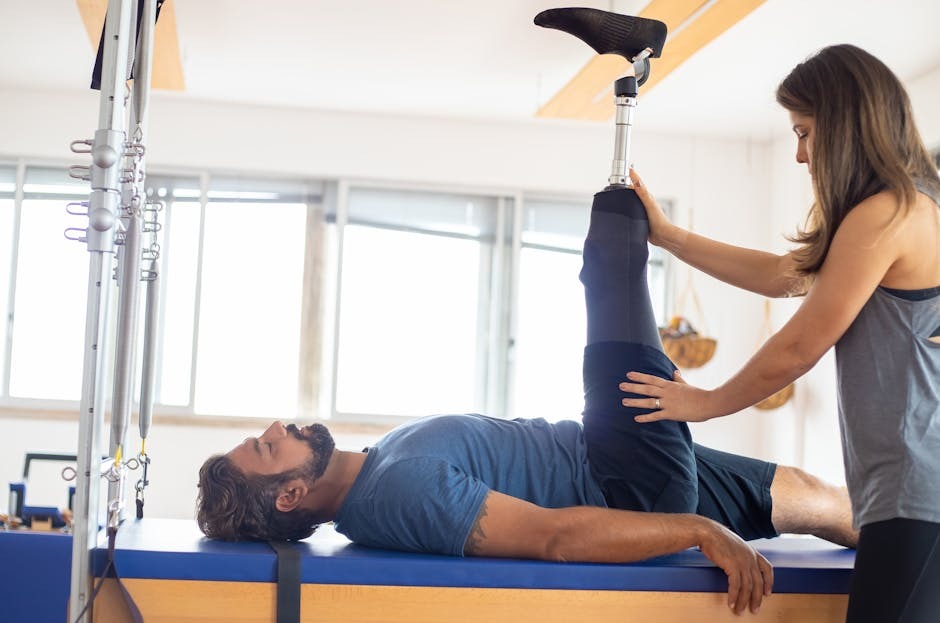
An integral part of rehabilitation is sports massage, a service closely related to the work of rehabilitation personal trainers. Regular sports massages can accelerate the rehabilitation process by reducing muscle tension, improving circulation and enhancing flexibility. It is a complementary therapy that helps alleviate pain, prevent scar tissue formation and promote relaxation, ultimately aiding the recovery journey.
Developing a Long-Term Fitness Strategy
Rehabilitation personal trainers not only assist in the immediate aftermath of an injury but also play a significant role in developing long-term fitness strategies. These strategies focus on preventing re-injury and maintaining an active lifestyle. Through ongoing assessments and adjustments, these trainers ensure that their clients continue progressing towards their fitness goals while maintaining physical health.
Educating Clients for Empowerment
Education is a crucial element of rehabilitation and personal training. By explaining the purpose and benefits of specific exercises and routines, trainers empower clients with knowledge. This education allows individuals to take an active role in their recovery and post-recovery phases, fostering a greater sense of autonomy and self-motivation.
Adapting to Individual Needs and Conditions
Every client’s rehabilitation journey is unique, and trainers must adapt their techniques to accommodate individual needs. This adaptive approach is especially significant for those with chronic conditions or multiple injuries. Sensitivity to these nuances ensures that each person receives personalised care that respects their specific limitations and ambitions.
Monitoring Progress and Adjusting Programmes
To maximise recovery outcomes, rehabilitation personal trainers regularly monitor their clients’ progress. This ongoing evaluation involves detailed records of improvements and potential setbacks. By maintaining a meticulous track of these developments, trainers can adjust programmes dynamically, ensuring steady progress without compromising safety.
The Future of Rehabilitation Personal Training
The field of rehabilitation personal training is continually evolving. Advances in technology, increased awareness of the psychological aspects of recovery, and a deeper understanding of the body’s mechanics are shaping the future of rehabilitation. As our knowledge grows, so too does the potential for personal trainers to enhance recovery processes and improve the quality of life for clients.
Building a Community Around Rehabilitation
A sense of community can be incredibly beneficial in rehabilitation. Trainers often build networks around clients, connecting them with others who have similar experiences. This community support provides emotional encouragement and practical advice, promoting a more holistic recovery.
In conclusion, the role of a rehabilitation personal trainer is multi-faceted and crucial in the realm of injury recovery. Their expertise not only aids in physical rehabilitation but also supports psychological resilience, encouraging a balanced and long-lasting recovery. With continued advancements and a focus on personalised care, these trainers remain an invaluable asset in the journey towards health and well-being.